
Finding the appropriate support for a child’s learning can feel like a significant challenge for parents. As children progress through school, they may encounter subjects where they struggle, or they might simply benefit from additional reinforcement to solidify their understanding. A Lernhilfe Kinder – a learning aid for children – encompasses a wide range of tools and methods designed to assist in this process, from educational games and workbooks to online platforms and one-on-one tutoring. The key is not just to provide any help, but to select the one that genuinely fits the child’s unique learning style, needs, and personality.

Overview
- Lernhilfe Kinder are diverse, including digital apps, physical manipulatives, workbooks, and tutoring.
- The initial step is to accurately assess a child’s specific areas of difficulty or interest.
- Matching the learning aid to the child’s individual learning style (visual, auditory, kinesthetic) is crucial.
- Both digital and traditional learning aids offer distinct advantages and disadvantages that should be weighed.
- Professional Lernhilfe Kinder, such as tutors, can provide targeted support when parental help is insufficient or specialized expertise is needed.
- Effective integration of learning aids into a child’s routine, along with parental involvement, maximizes their benefit.
- The goal is to foster independence and confidence, not just to complete tasks.
Understanding Different Types of Lernhilfe Kinder
The landscape of Lernhilfe Kinder is vast, offering solutions for nearly every academic subject and learning challenge. It’s important for parents to be aware of the variety available before making a choice. Educational apps and websites, for instance, often use gamification to make learning engaging, appealing to children who thrive with interactive content. Physical manipulatives, like counting blocks or science kits, provide hands-on experiences that are invaluable for kinesthetic learners. Workbooks and flashcards offer structured practice for repetition and memorization. Beyond self-study tools, peer groups and one-on-one tutoring represent more direct forms of educational support. Each type serves a different purpose and can be more or less effective depending on the child and the specific learning goal. In the US, many school districts and private organizations offer various programs and resources, sometimes even free of charge, to help families access these aids.
Identifying the Right Lernhilfe Kinder for Specific Needs
The fundamental step in selecting the correct Lernhilfe Kinder is to pinpoint exactly what the child needs. Is it help with basic math facts, reading comprehension, or organizational skills? A child struggling with fractions might benefit from visual aids or online games that break down the concept incrementally. Someone finding reading difficult might respond well to phonics-based apps or guided reading sessions. Observe how your child naturally approaches new information or challenges. Are they drawn to screens, hands-on activities, or listening to explanations? Asking the child for their input can also be very insightful; they might express a preference for a certain type of activity or explain why they find a particular subject challenging. This initial assessment prevents wasted effort and ensures the chosen aid is relevant and engaging.
Digital vs. Traditional Lernhilfe Kinder: Making a Choice
When choosing a Lernhilfe Kinder, parents often weigh the merits of digital tools against traditional methods. Digital learning aids, such as educational apps and online platforms, are highly interactive, often adaptive, and can provide instant feedback. They are typically portable and can make learning feel like play, which is a big draw for many children. However, excessive screen time can be a concern, and the effectiveness of some apps might be limited without parental guidance. Traditional learning aids, like workbooks, textbooks, flashcards, and physical games, offer a tangible experience. They can help develop fine motor skills and reduce screen fatigue. They also allow for a more structured, quiet learning environment. The decision often comes down to balancing these factors. For some children, a blend of both worlds – using an app for quick drills and a workbook for deeper practice – provides the most balanced approach to Lernhilfe Kinder.
The Role of Tutoring and Professional Lernhilfe Kinder
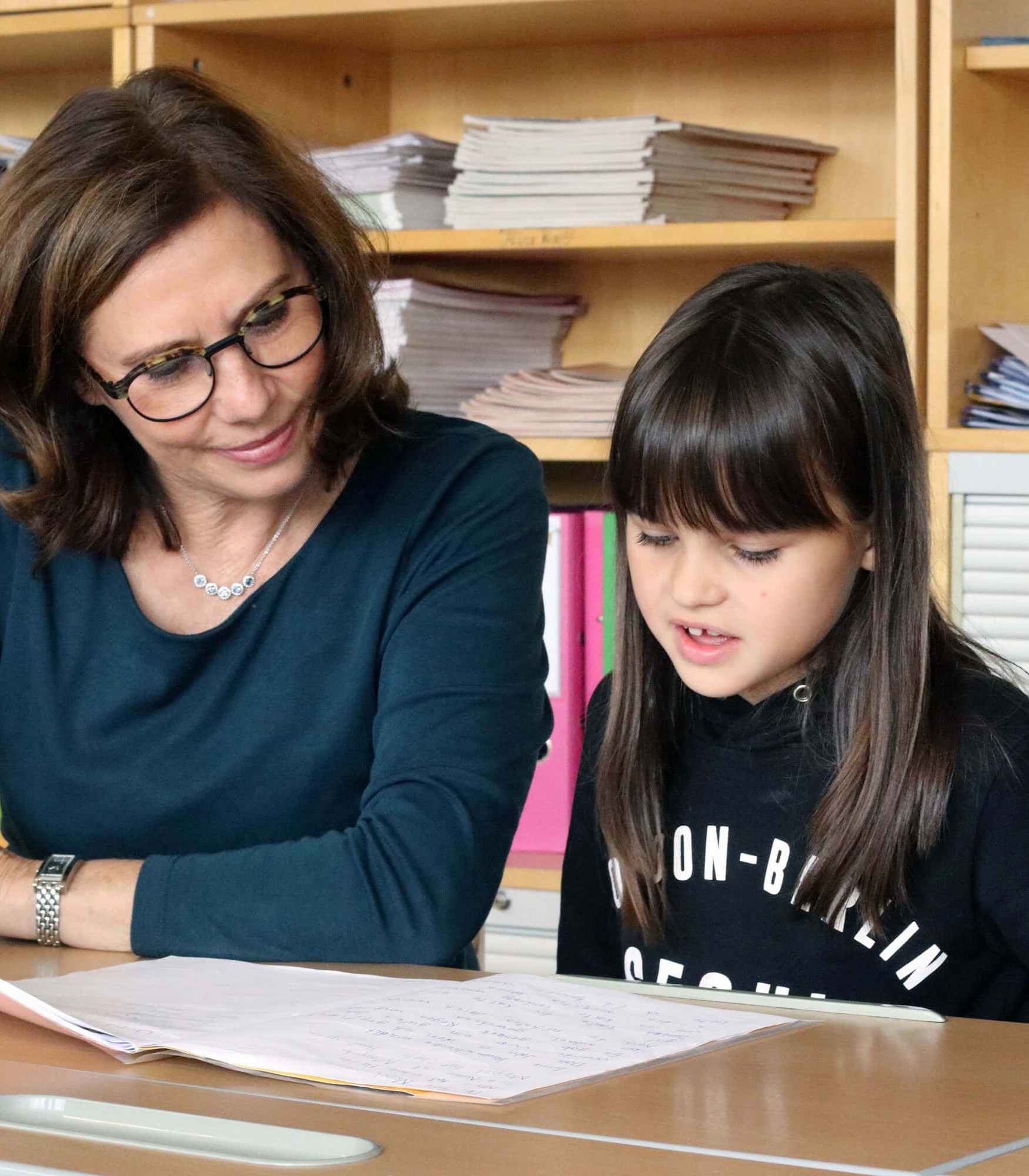
Sometimes, the challenges a child faces require more personalized and expert attention than a parent or self-study tool can provide. This is where professional Lernhilfe Kinder, particularly tutoring, becomes a valuable option. A tutor can offer individualized instruction tailored precisely to a child’s learning gaps and strengths. They can explain concepts in multiple ways, offer encouragement, and build confidence in areas where a child feels insecure. Tutors often use diagnostic tools to identify specific areas of struggle that might not be obvious to parents. For children with specific learning differences or those needing help with advanced subjects, a tutor with specialized knowledge can make a profound difference. While private tutoring can be an investment, many schools in the US offer free or subsidized peer tutoring programs, and community centers often have educational support initiatives.
Integrating Lernhilfe Kinder into Daily Routines
Even the best Lernhilfe Kinder will only be effective if it’s used consistently and correctly. Integrating it smoothly into a child’s daily routine is crucial. This means setting aside a specific, short period each day or a few times a week for focused learning aid usage. Avoid making it feel like a punishment; instead, present it as a fun challenge or a way to get ahead. Create a dedicated, distraction-free space for learning. Parental involvement is also key: check in regularly, offer praise for effort, and discuss what the child is learning. Understanding the learning aid yourself can help you guide your child more effectively. Remember that the goal is to build long-term skills and a positive attitude towards learning, not just to fix an immediate problem. Flexibility is also important; if a particular aid isn’t working, be willing to adjust and try something new. The journey of finding the right Lernhilfe Kinder is often iterative.
About the Author


