
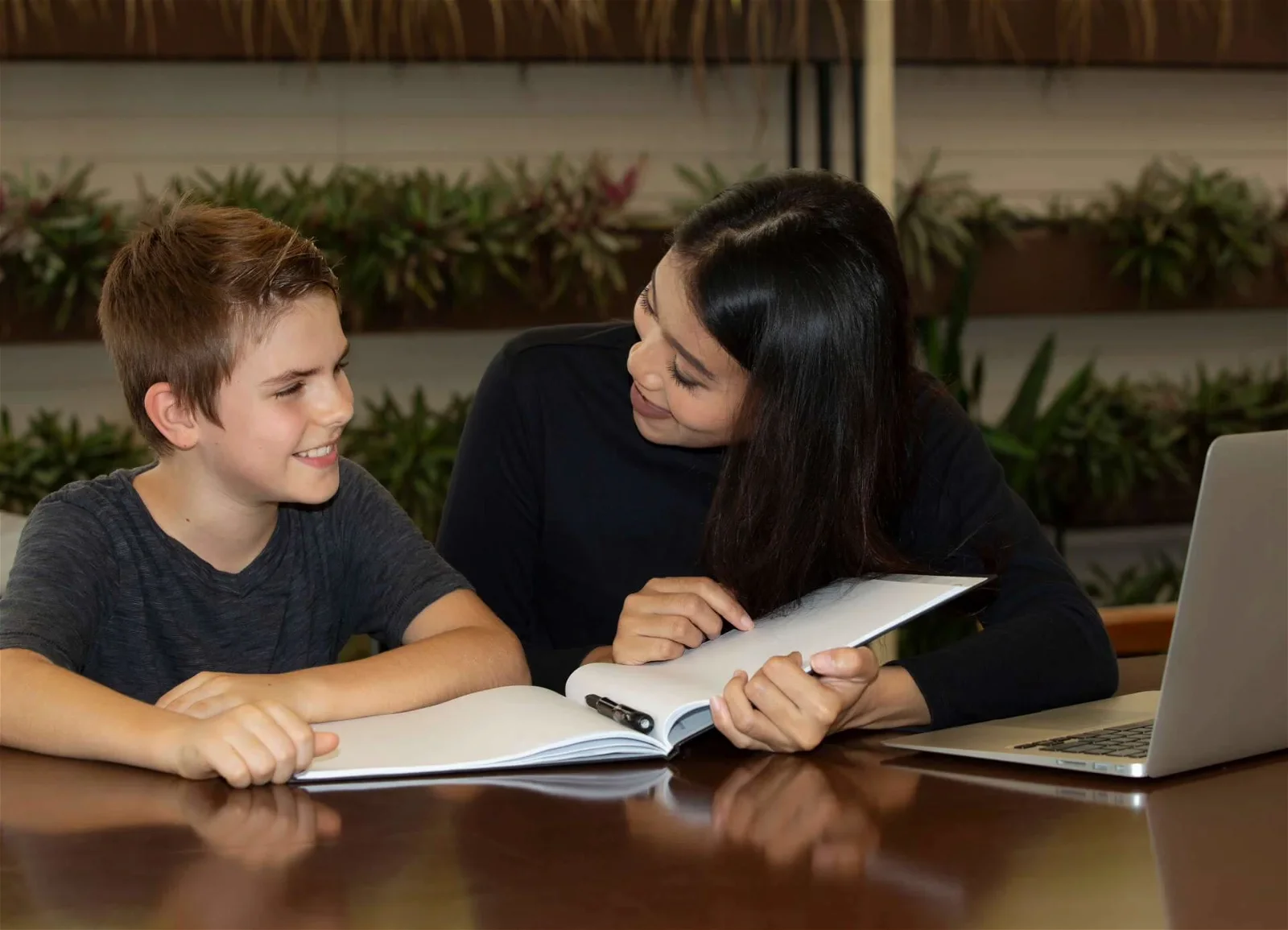
Helping children with homework can be a rewarding yet challenging task for many parents and guardians. It’s a delicate balance between providing support and allowing children to develop their own problem-solving skills and independence. The goal of effective Hausaufgabenhilfe is not to do the work for them, but rather to guide them toward understanding the material and completing assignments successfully. This article explores various strategies and perspectives on how parents can provide meaningful assistance, fostering a positive learning environment and building crucial academic habits that will serve children well throughout their educational journey and beyond. From establishing routines to knowing when to step back, understanding how to best support your child can make a significant difference in their academic performance and confidence.
Overview
- Setting up a dedicated, distraction-free study space is crucial for effective homework sessions.
- Parents should act as facilitators, guiding children through problems rather than providing direct answers.
- Teaching time management and organizational skills empowers children to take ownership of their assignments.
- Recognizing and praising effort, not just outcomes, builds resilience and a growth mindset.
- Knowing when to step back allows children to develop independence and problem-solving abilities.
- Open communication with teachers is vital for understanding expectations and addressing persistent challenges.
- Seeking external support, like tutors or study groups, can be beneficial when internal resources are insufficient.
Establishing a Supportive Environment for Hausaufgabenhilfe
One of the foundational steps in effective Hausaufgabenhilfe is creating a conducive environment. This goes beyond simply telling a child to “do their homework.” A designated study space, free from distractions, signals the importance of the task and helps a child focus. This space doesn’t need to be elaborate; a quiet corner of the kitchen table or a dedicated desk in their room can suffice, as long as it’s consistently available and equipped with necessary supplies like pens, paper, and textbooks. Establishing a consistent routine for homework is equally important. Whether it’s immediately after school or after a short break, predictability helps children mentally prepare for the task. This routine also teaches valuable time management skills, an essential life skill that transcends academics. Parents can model good habits by managing their own schedules effectively. Furthermore, ensuring the child is well-rested and has had a healthy snack before starting homework can significantly impact their concentration and mood, making the Hausaufgabenhilfe process smoother and more productive for everyone involved.
Active Engagement Without Doing the Work: Practical Hausaufgabenhilfe Strategies
The most common pitfall in providing Hausaufgabenhilfe is doing the work for the child. While it might seem faster or easier in the moment, it robs them of the opportunity to learn and grow. Instead, effective help involves active engagement through questioning and guidance. When a child struggles, ask open-ended questions like, “What have you tried so far?” or “Can you explain the problem in your own words?” This encourages them to articulate their thinking process and identify where they might be stuck. Breaking down complex tasks into smaller, manageable steps can also be very helpful. For instance, for a lengthy writing assignment, suggest focusing on outlining first, then drafting, and finally revising. Providing examples of similar problems or directing them to relevant sections in their textbook or notes empowers them to find the answers themselves. It’s about teaching them how to learn, rather than just providing the solution. This approach is particularly effective for subjects like math or science, where understanding concepts is more important than memorizing answers. Remember, patience is key here; the learning process is often messy and takes time.
Building Independence Through Effective Hausaufgabenhilfe
A primary long-term goal of Hausaufgabenhilfe is to foster independence. Children need to develop self-reliance and the ability to solve problems on their own. This means gradually stepping back as they gain confidence and proficiency. Start by being present and involved, then slowly shift to monitoring from a distance, checking in occasionally. Encourage them to try solutions independently before asking for help. Acknowledge their efforts and celebrate small victories, reinforcing their belief in their own capabilities. For example, if they successfully complete a challenging math problem on their own, praise their perseverance. Teach them organizational skills, such as keeping track of due dates, maintaining a tidy workspace, and organizing their notes. These habits are invaluable for academic success and life beyond school. In the US educational system, self-sufficiency is highly valued, and these early habits lay a crucial foundation. If a child consistently asks for help on the same type of problem, it might indicate a gap in understanding that needs addressing, either through a different explanation from you or by reaching out to their teacher for clarification. Empowering children with these skills ensures they are prepared for more complex academic demands in the future.
When to Seek External Hausaufgabenhilfe
While parental support is invaluable, there are times when external Hausaufgabenhilfe becomes necessary. It’s important for parents to recognize their own limitations and when a child might benefit from a different approach or specialized expertise. If a child consistently struggles with a particular subject despite your best efforts, or if homework sessions frequently end in frustration and conflict, it might be time to consider professional help. A tutor can provide individualized instruction tailored to the child’s specific learning style and address knowledge gaps that parents might not be equipped to handle. Study groups with peers can also be beneficial, allowing children to learn from and teach each other. Moreover, open communication with the child’s teacher is crucial. Teachers can offer insights into the child’s classroom performance, suggest specific strategies, or even recommend school resources. Sometimes, the issue isn’t academic but emotional or motivational, and a school counselor might be better suited to help. Seeking external support is not a sign of failure but rather a proactive step to ensure the child receives the best possible support to thrive academically.
About the Author


