
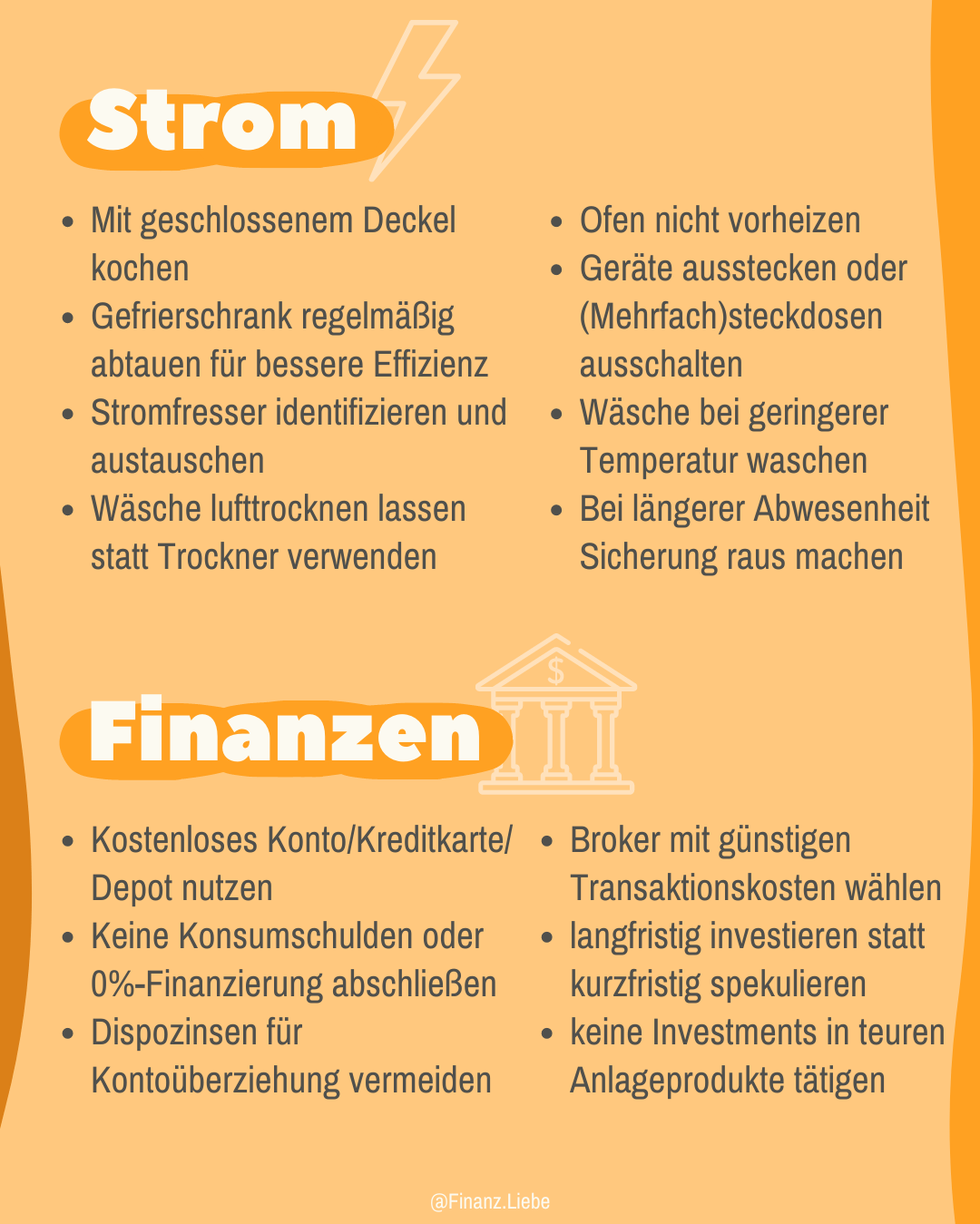
Saving money in daily life can feel like a daunting task, especially with rising costs and numerous temptations to spend. However, by adopting consistent, small changes and making conscious choices, anyone can significantly improve their financial well-being. It’s not about drastic cuts, but rather about smart habits that contribute to long-term financial stability. These practical approaches can help individuals better manage their income and achieve their financial aspirations.
Overview:
- Strategic meal planning and mindful grocery shopping are key to reducing food expenses.
- Optimizing home utilities and energy consumption can lead to substantial monthly savings.
- Reevaluating transportation habits and entertainment choices offers avenues for cost reduction.
- Establishing a detailed budget and tracking expenditures provides clarity on spending patterns.
- Prioritizing debt repayment and building an emergency fund are foundational financial steps.
- Automating savings helps ensure consistent progress towards financial goals without conscious effort.
- Regularly reviewing financial habits and subscriptions can uncover hidden areas for Sparen im Alltag.
Smart Shopping and Grocery Sparen im Alltag
One of the most immediate and impactful areas for Sparen im Alltag is how we approach our shopping, particularly groceries. Before heading to the store, create a detailed meal plan for the week. This allows for a precise shopping list, preventing impulse purchases and reducing food waste. Stick to your list rigorously, and avoid shopping when hungry, as this often leads to buying unnecessary items. Consider opting for generic brands, which frequently offer the same quality as their name-brand counterparts at a fraction of the cost. Utilize loyalty programs and store coupons, but only for items you genuinely need. Bulk buying can save money on non-perishable goods, but ensure you have adequate storage and will use the items before they expire. Shopping at farmers’ markets or discount grocery stores can also provide fresh produce and staples at lower prices.
Household and Utility Sparen im Alltag Strategies
Reducing household expenses and utility bills is another crucial aspect of Sparen im Alltag. Focus on energy efficiency within your home. Simple actions like unplugging electronics when not in use (phantom load), switching to LED light bulbs, and adjusting your thermostat can make a difference. In winter, setting your thermostat a few degrees lower and wearing warmer clothes indoors can save a lot, while in summer, a few degrees higher with a fan can be effective. Ensure your windows and doors are properly sealed to prevent heat loss or gain. Regarding water usage, take shorter showers, fix leaky faucets promptly, and only run dishwashers and washing machines when full. For services like internet, phone, and insurance, regularly review your plans and don’t hesitate to call providers to negotiate better rates or switch to more affordable alternatives. Many households, including those across the US, find significant savings by simply requesting a review of their current plans.
Transportation and Entertainment Sparen im Alltag
Transportation and entertainment are often overlooked categories where significant Sparen im Alltag is possible. For commuting, explore alternatives to driving alone. Public transportation, carpooling, walking, or cycling can drastically cut down on fuel costs, parking fees, and vehicle maintenance. If driving is essential, practice fuel-efficient habits like smooth acceleration and braking, and keeping your tires properly inflated. For entertainment, instead of costly outings, consider free or low-cost options. Libraries offer books, movies, and even events at no charge. Pack a picnic and visit a local park, host a potluck with friends, or engage in free hobbies like hiking or baking. Review your subscription services (streaming, gyms, apps) and cancel any that you rarely use. Cooking at home more often instead of dining out or ordering takeout can lead to substantial savings over time. Embrace DIY projects for home repairs or personal care rather than paying for professional services where possible.
Financial Habits for Sustainable Sparen im Alltag
Long-term Sparen im Alltag is rooted in developing strong financial habits. The cornerstone is creating and adhering to a budget. Track every dollar you earn and spend for at least a month to understand where your money is actually going. This awareness is powerful. Once you know your spending patterns, you can identify areas to cut back. Set clear financial goals, whether it’s building an emergency fund, paying off debt, or saving for a down payment. Automate your savings by setting up regular transfers from your checking account to a separate savings account immediately after you get paid. This “pay yourself first” approach ensures consistency. Prioritize paying down high-interest debt, as the interest payments consume a significant portion of your income. Avoid lifestyle creep, which is the tendency to increase your spending as your income rises. Regularly review your financial progress and adjust your budget as needed to stay on track. These disciplined habits form the foundation for lasting financial security.
About the Author


