
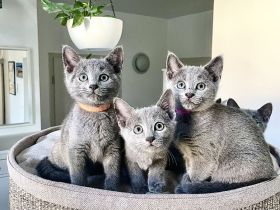
Finding a responsible Katzenzüchter (cat breeder) is a critical step when bringing a new feline into your home. A good breeder prioritizes the health, temperament, and welfare of their cats above all else, ensuring their kittens are well-socialized and ready for their new families. Unfortunately, not all breeders operate with the same high standards, making it essential for prospective pet parents to know what to look for and what questions to ask. This guide will walk you through the tell-tale signs of a truly dedicated and ethical Katzenzüchter.
Overview
- A good Katzenzüchter will invite you to visit their home or facility to see the kittens and parent cats.
- They conduct thorough health screenings and genetic testing on parent cats to prevent hereditary diseases.
- Ethical breeders provide a clean, stimulating environment where kittens are well-socialized and accustomed to household sounds.
- They are transparent, offering detailed health records, vaccination proof, and a written contract.
- A responsible Katzenzüchter asks many questions about your living situation and experience to ensure a good match for their kittens.
- They offer ongoing support and advice even after the kitten goes to its new home.
- Be wary of breeders who push for quick sales, offer multiple breeds, or don’t allow visits.
Signs of a Responsible Katzenzüchter: Health and Environment
One of the most immediate indicators of a good Katzenzüchter is the environment in which their cats and kittens live. Upon visiting, you should observe a clean, odor-free, and stimulating home. Kittens should be active, playful, and curious, not timid or fearful. They should have bright eyes, clean ears, and soft, well-maintained coats, free from fleas or other parasites. A reputable Katzenzüchter will typically raise their kittens in their home, exposing them to everyday household noises, people, and gentle handling from a young age. This crucial early socialization helps kittens adapt more easily to new environments and bond with their future families.
Furthermore, a top-tier Katzenzüchter places immense importance on the health of their breeding cats and kittens. They will readily provide evidence of comprehensive veterinary care, including regular check-ups, appropriate vaccinations, and deworming schedules for the kittens. More importantly, they will perform genetic health screenings on the parent cats for breed-specific hereditary conditions. For example, Maine Coon breeders in the US should screen for Hypertrophic Cardiomyopathy (HCM) and Hip Dysplasia, while Persian breeders check for Polycystic Kidney Disease (PKD). They will be open about the results of these tests and explain what measures they take to ensure the health of their lines. Do not shy away from asking for these records.
Communication and Transparency from a Quality Katzenzüchter
A reliable Katzenzüchter values open communication and transparency with prospective buyers. They will not only answer your questions but will also ask many questions of their own about your lifestyle, home environment, and experience with cats. This reciprocal questioning demonstrates their commitment to placing their kittens in suitable, loving homes, rather than just making a sale. They see themselves as guardians of the breed, not merely sellers of pets. They will be keen to share their knowledge about the breed, its specific needs, and potential challenges.
A good Katzenzüchter will also provide a wealth of documentation. This typically includes the kitten’s health record (vaccination dates, deworming dates, vet check details), a written sales contract outlining guarantees regarding health and genetic conditions, spay/neuter agreements (if applicable), and pedigree papers if you are buying a purebred cat. They will clearly explain any health guarantees and what recourse you have should an issue arise. Ethical breeders will also offer advice on diet, litter training, and general kitten care, often providing a “starter kit” with familiar food, toys, and a blanket with the mother’s scent to ease the transition for the kitten.
Ethical Breeding Practices by a Dedicated Katzenzüchter
The breeding practices themselves are a significant indicator of a Katzenzüchter‘s ethics. A responsible breeder will limit the frequency of litters their queens produce, ensuring the mother cat has ample time to recover between pregnancies. They will typically not breed a queen until she is mature enough, usually around 1-2 years old, and will retire her from breeding at a reasonable age, often around 4-6 years old. They prioritize the long-term health and well-being of their breeding cats, not just their reproductive potential.
Furthermore, a truly dedicated Katzenzüchter will not allow kittens to leave their mother before they are developmentally ready. Most reputable breeders will not let kittens go to new homes before 12-16 weeks of age. This extended period with their mother and siblings is crucial for learning essential social skills, bite inhibition, and litter box habits. Kittens separated too early can develop behavioral problems, anxiety, or aggression later in life. A breeder who pushes to rehome kittens younger than 12 weeks should raise a red flag. They also often have a waiting list, indicating demand for their well-bred kittens, and won’t always have kittens available on demand.
What to Expect and Red Flags from a Katzenzüchter
When dealing with a Katzenzüchter, expect ongoing support. A good breeder will be available to answer questions and offer guidance throughout your cat’s life. They genuinely care about the welfare of the cats they bring into the world. They will also often require you to return the cat to them if you can no longer care for it, demonstrating a lifelong commitment to their animals. This ensures their cats never end up in shelters.
Conversely, there are several red flags to watch out for. A Katzenzüchter who refuses to let you visit their home or see where the kittens are raised is a major concern. Those who meet you in a public place, like a parking lot, are likely hiding something about their breeding environment or the health of their animals. Be wary of breeders who offer multiple breeds of cats or other animals, as this can indicate a “kitten mill” operation focused solely on profit. A breeder who does not ask you questions about your home, demands immediate cash payment, or offers no health guarantee or contract should also be avoided. Finally, if the price seems too good to be true, it often is, indicating shortcuts in health care or breeding practices. A responsible Katzenzüchter invests significantly in their cats’ health and welfare, and their pricing reflects these necessary expenses.
About the Author


